
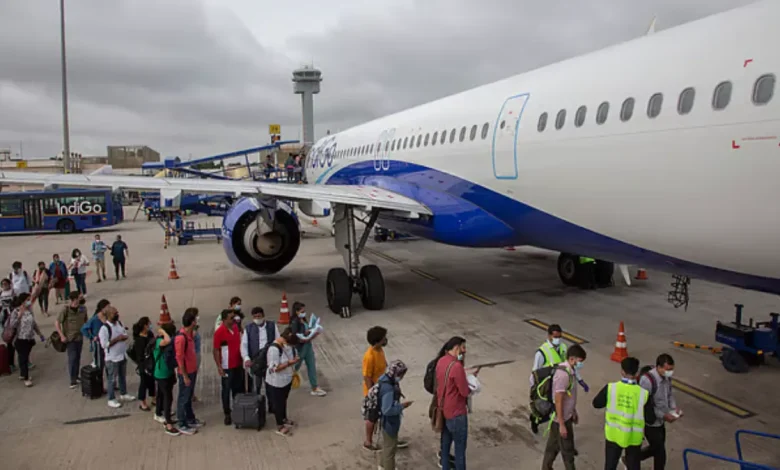
IndiGo announced on Saturday (December 6) that it has restored 95 per cent of its network connectivity, with flights now operating to 135 of its 138 destinations. The airline confirmed it is on track to operate more than 1500 flights by day’s end, marking a significant recovery from Friday when just 700 flights took off, leaving thousands of passengers stranded and causing widespread chaos at airports nationwide.
The airline explained that reducing flight numbers was essential to reset crew rosters, systems and overall network planning to stabilise operations. “The main objective was to reboot the network, systems, and rosters so that we could start afresh today with a higher number of flights, improved stability, and there are some early signs of improvement,” an IndiGo spokesperson stated.
“While we understand that we have a long way to go, we are committed to building back the trust of our customers,” the airline said in a statement, apologising once more for the inconvenience.
Friday proved to be the worst day in IndiGo’s five-day operational crisis, with nearly a thousand flights cancelled. The disruption triggered surging demand, packed airport lobbies filled with stranded travellers and a dramatic spike in ticket prices on high-traffic routes. Fares on the Delhi-Bengaluru sector climbed to nearly Rs 1 lakh for economy class seats.



The escalating prices prompted government intervention. The Ministry of Civil Aviation imposed fare caps on domestic economy-class travel to prevent overcharging during the ongoing disruption. Routes up to 500 km are now capped at Rs 7,500, while flights covering 500 to 1,000 km cannot exceed Rs 12,000. Journeys spanning 1,000 to 1,500 km have a maximum limit of Rs 15,000, and routes beyond 1,500 km are capped at Rs 18,000.
The Ministry also directed IndiGo to complete refunds for all cancelled flight tickets by Sunday evening and ensure that baggage separated from passengers is delivered within the next two days.