
U.S. Launches Sweeping Green Card Scrutiny for Nationals from 19 Nations in Wake of Washington Attack
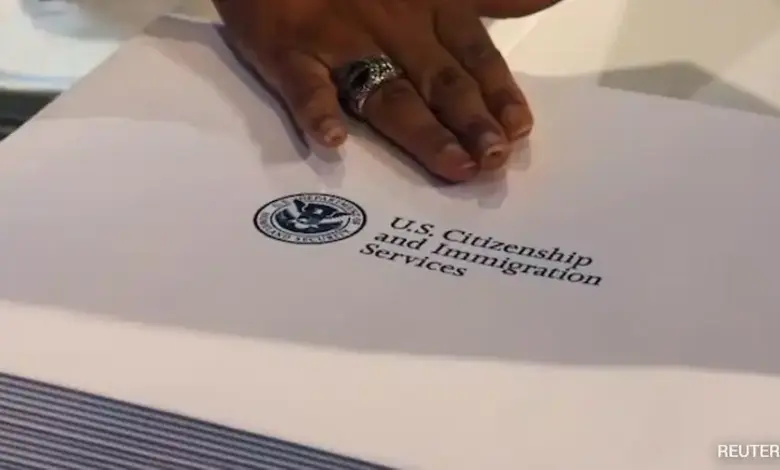
In the aftermath of a brazen shooting that targeted National Guard personnel in the nation’s capital, the Trump administration has unveiled plans for an exhaustive audit of green cards held by immigrants from a select group of countries flagged for security risks.
The initiative, detailed in a statement Thursday, mandates a comprehensive vetting of permanent residency documents for individuals originating from Afghanistan and 18 other nations. This move comes swiftly on the heels of Wednesday’s incident, where authorities apprehended a suspect identified as a 29-year-old Afghan national. Officials confirmed the individual had collaborated with U.S. forces during operations in Afghanistan and was granted asylum status—rather than full permanent residency—in April, facilitated by AfghanEvac, an organization aiding the resettlement of Afghans in America post the 2021 Taliban resurgence.
ALSO READ : Trump Mourns Fallen Trooper in Thanksgiving Tribute, as Comrade Clings to Life
Joseph Edlow, director of U.S. Customs and Immigration Services (USCIS), underscored the urgency of the review in a post on X, declaring: “I have directed a full scale, rigorous reexamination of every Green Card for every alien from every country of concern.” Pressed for clarification on the targeted countries, a USCIS spokesperson directed inquiries to AFP and referenced a June executive order issued by President Donald Trump. That directive labeled 19 countries as “of Identified Concern,” imposing stringent entry restrictions.




Under the order, a near-total travel ban bars most nationals from 12 of these nations, including Afghanistan, Myanmar, Chad, Congo-Brazzaville, Equatorial Guinea, Eritrea, Haiti, Iran, Libya, Somalia, Sudan, and Yemen. An additional seven countries—Burundi, Cuba, Laos, Sierra Leone, Togo, Turkmenistan, and Venezuela—face partial prohibitions, with limited allowances for certain temporary work visas.
This heightened scrutiny reflects ongoing efforts to bolster national security amid evolving global threats, though it has drawn scrutiny from immigrant advocacy groups wary of its broad scope. The administration maintains the measure is essential to safeguard American interests without unduly burdening vetted arrivals.